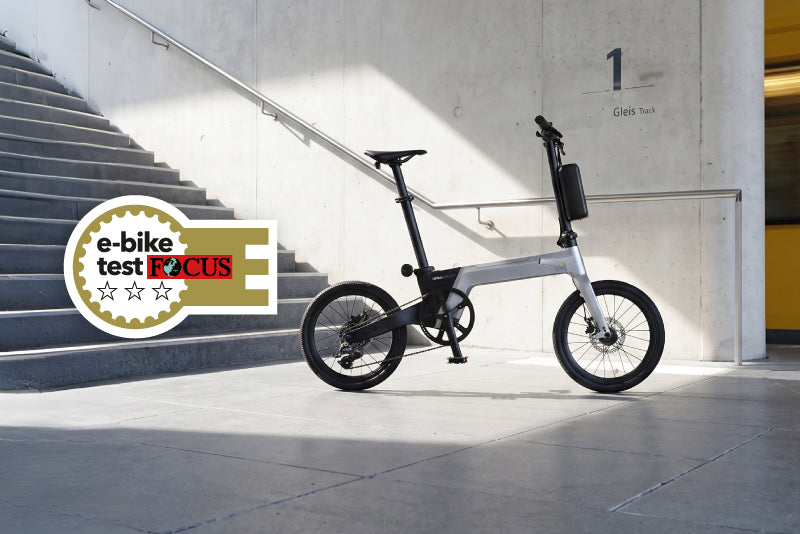
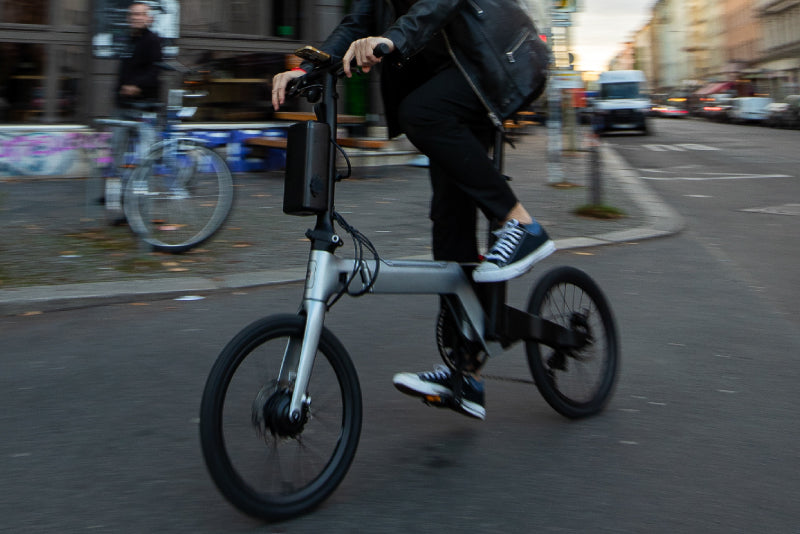
AI-powered system architecture aims to redefine the interaction between rider and e-bike With the new Lemmo One "Collab.Ride", the manufacturer presents an evolved version of its urban e-bike, clearly focusing on the integration of software, sensors, and drivetrain. At the core is the idea of closer interaction between human and machine: the e-bike is no longer intended to just react, but to actively support and dynamically adapt to the riding style.
Full electronic integration as a foundation
The core of this new development is the so-called Fully Electrified AI-Centric Vehicle Architecture (FEAVA). Behind this lies a fully networked system architecture in which all electronic components – from motor control and lighting to GPS tracking and theft protection – are interconnected. New hardware elements such as a redesigned dual-mode hub drive, an integrated power meter, and an electronic shifting system are also part of this system. Control is managed via a central processing unit in the display. The concept is complemented by over-the-air updates, through which functions and performance features can be expanded during ongoing operation.

Riding modes with automated adjustment
A central element of the "Collab.Ride" approach is various riding modes that coordinate multiple system components. Already announced are, among others:
-
Fitness Mode: Automatic adjustment of support and shifting to achieve defined calorie goals
-
Cardio Mode (planned): Support control based on a target heart rate
-
Guardian Mode: Multi-level security system with automatic locking, tracking, and alarm functions
-
AI Fusion Mode (in development): Direct interaction with an AI assistant for real-time optimization of the ride
These modes are intended to enable more personalized use and integrate the e-bike more strongly into training and daily life contexts.
Evolution of the Dual-Mode concept
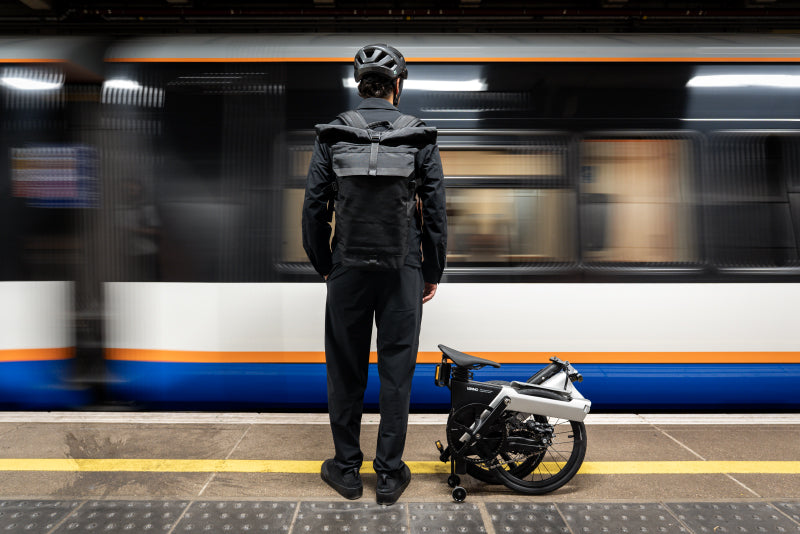
The Lemmo One remains true to its basic principle of combining a classic bicycle and an e-bike. The so-called Dual Mode Vehicle Platform continues to allow switching between purely muscular drive and electric support. The heart of this is the modular "Smartpac," which bundles the battery, motor control, connectivity, and additional functions such as a power bank in a removable unit.
Technical specifications at a glance
The bike is based on an aluminum frame with a carbon fork and weighs around 15 kilograms without the approximately 3-kilogram Smartpac module. The motor delivers up to 52 Nm of torque, powered by a 531 Wh battery. The manufacturer specifies the range as up to 100 kilometers, depending on usage conditions. Further features include hydraulic disc brakes, integrated lighting including a brake light function, GPS tracking, and an electronic shifting system. USB ports with up to 65 watts of output power expand its utility for everyday use.
Pricing and Availability
The Lemmo One "Collab.Ride" is offered in several equipment variants. Prices start at 2,690 euros for the Core Edition and go up to 3,390 euros for higher-end variants. Differences arise primarily from drivetrain configurations such as chain or belt drive.